The internet loves Elon Musk. His face, voice, and name carry enormous weight. Scammers know this and use that trust to steal money, crypto, and personal data. Fake Elon Musk accounts appear on X, YouTube, TikTok, and Facebook. They promise free crypto, exclusive investments, and live streams. At first glance, they can look exactly like the real thing. The posts use official-looking logos, countdown timers, and fake comments. They often mention Dogecoin, Tesla, or SpaceX. The goal is always the same: get you to send money or reveal sensitive information before you stop to think.
The problem got much worse as AI tools became cheap and easy to use. Scammers can clone his voice from short public clips. Deepfake video can map his face onto another person. They then broadcast fake live streams and convincing ads. The FTC reports that consumers lost a record $10 billion to fraud in 2023. The FBI IC3 reports that cryptocurrency investment fraud losses hit $3.96 billion that same year, up 53 percent from 2022. Celebrity impersonation plays a significant role in those losses. A fake Musk endorsement can turn a simple scam into a believable opportunity.
You do not need to be a tech expert to stay safe. You just need a few verification habits and a healthy amount of suspicion. This guide explains how the fake Elon Musk scam works. You will learn how scammers use AI, what the most common schemes look like, and how to check if a post is real. You will also learn exactly where to report a scam if you or someone you know gets targeted. Taking ten extra minutes to verify can save you thousands of dollars.
| Scam Type | Tactic | Warning Sign | What to Do |
|---|---|---|---|
| Crypto giveaway | Video or post asks you to send crypto to receive double back | Any request to send crypto first | Do not send funds, report the post |
| Fake investment platform | AI ad promises automated profits from a Musk-backed project | Unsolicited ad or message with too-good returns | Verify the domain, never deposit |
| Phishing link | Fake post asks you to verify a wallet or claim a reward | URL misspelling or sense of urgency | Never enter seed phrase or password |
| Impersonation DM | Direct message from a fake verified account | Requests gift cards or private data | Block and report, warn others |
Why Do Scammers Pretend to Be Elon Musk?

Elon Musk is one of the most recognized people on the planet. His tweets move markets. His business moves make headlines. Scammers know this. They borrow his name, face, and voice because it gets instant attention. A fake Elon Musk post looks more trustworthy than a random crypto ad. That trust is the first hook.
Money is the second hook. Many people associate Musk with cryptocurrency, especially Dogecoin and Bitcoin. Scammers exploit that connection. They promise that he is hosting a giveaway or backing a new trading platform. The offers often say things like ‘send 0.1 BTC and get 1 BTC back.’ These promises are always false, but they feel possible because Musk is a wealthy tech figure.
The third hook is urgency. Fake posts use timers, countdowns, and limited spots. You are told to act in the next ten minutes. That pressure stops you from checking the facts. Scammers also use fake comments and bot accounts to create social proof. A post filled with ‘I got my payout’ messages can look real, even if every single comment is fake.
According to the FTC, impersonation scams are a major source of consumer losses. The FBI IC3 reports that cryptocurrency investment fraud alone cost Americans nearly $4 billion in one recent year. Fake celebrity endorsements, especially fake Musk campaigns, contribute to that number. Scammers do not need to be original. They just need to copy a voice people already trust.
- Recognizable names create instant but false credibility.
- Fear of missing out makes you act without checking.
- Fake comments and timers manufacture social proof.
How Do Fake Elon Musk Videos and Voice Clones Work?
AI tools have changed the scam game. A scammer can download a short clip of Elon Musk from a podcast or interview. They feed it into a voice cloning tool. The tool learns how Musk talks. It can then produce new sentences that sound like him. You can learn the warning signs in our guide on how to spot an AI voice cloning scam.
Video is harder, but not impossible for scammers. Deepfake software can swap Musk’s face onto another person’s body. It can also sync the lips to the cloned voice. The result is a clip that looks like Musk promoting a crypto scheme. Some scams stream these clips as live events on YouTube or TikTok. We covered that tactic in more detail in AI deepfake video scams.
The clips often use low resolution or a small player window. That hides visual flaws. Scammers might cut the audio abruptly or repeat the same sentence. They may claim the stream is ’exclusive’ and ask you to scan a QR code or visit a website. The video may look close enough on a phone screen. But the underlying request is always the same: send money, connect your wallet, or enter personal data.
If you want a simple set of checks, our guide on how to verify AI vs human walks through what to look for. The most important rule is not about pixels or audio quality. Real Musk accounts do not ask you to send crypto first. No legitimate giveaway does.
- Low resolution hides face swap errors and bad lip sync.
- Repeated phrases and no live interaction signal a loop.
- QR codes and external links are common tools for crypto theft.
What Are the Most Common Fake Elon Musk Scams Right Now?
Scammers run several versions of the fake Musk playbook. The most common is the cryptocurrency giveaway. A post or video claims Elon is giving away Bitcoin, Ethereum, or Dogecoin. To participate, you send a small amount to a listed wallet address. The scam promises to send back double or ten times that amount. Nobody ever receives anything back. This is a classic advance-fee fraud, now dressed up with AI.
Another version is the fake investment platform. The ad looks like a news article or a social media post. It says Musk backs an automated trading system, often called something like Quantum AI or Tesla AI. You click the link, create an account, and deposit money. The dashboard may show growing profits, but withdrawals never work. We explain how these schemes operate in our article on AI investment scams and crypto fraud.
Phishing is a quieter but just as damaging variant. A fake Musk account posts a link to claim a reward or verify your wallet. The link leads to a copy of a real crypto site. If you enter your wallet seed phrase or password, the scammer drains your funds. This overlaps with the tactics in AI phishing emails and how to identify them.
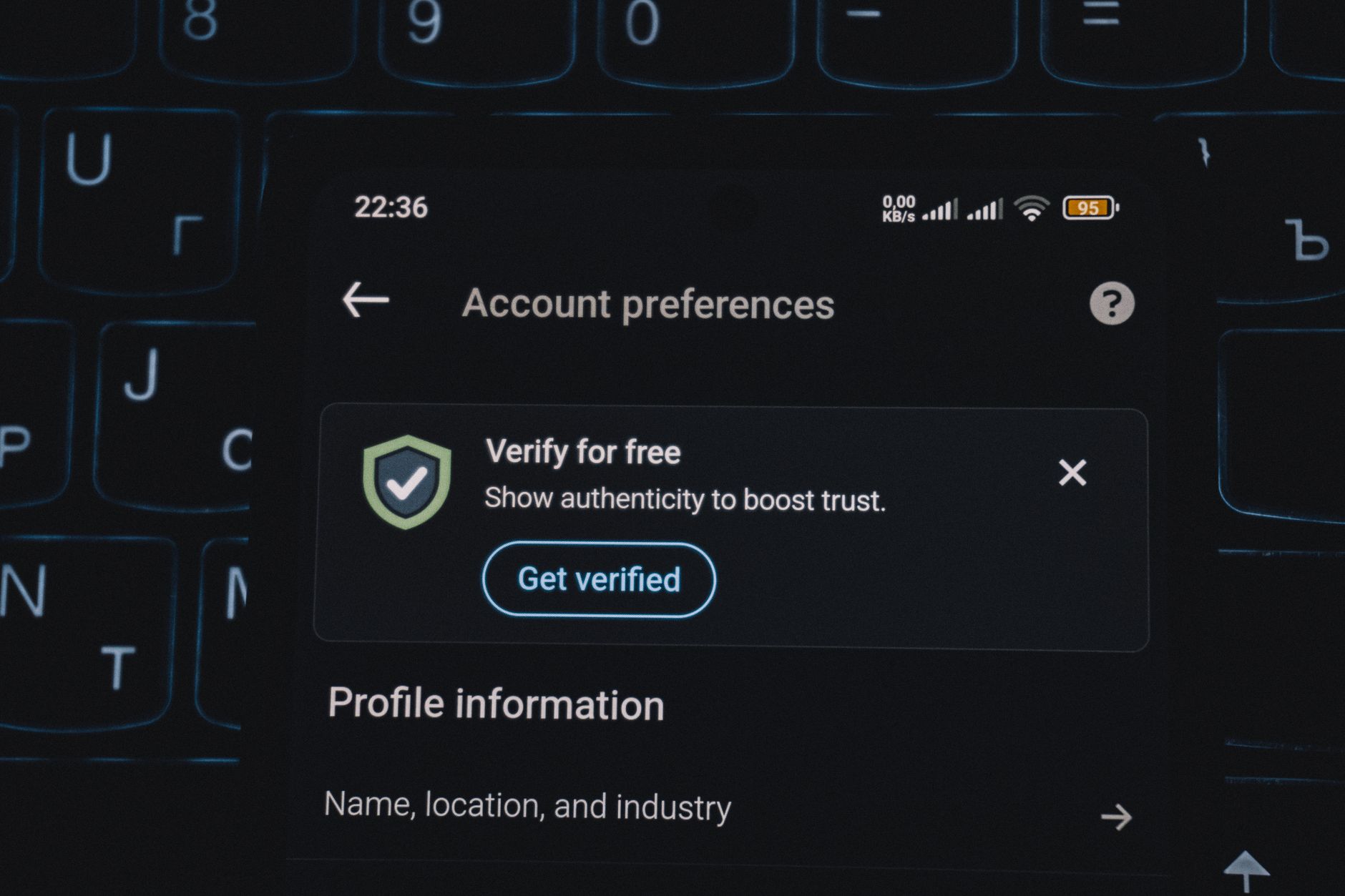
There are also direct message impersonations. You may receive a private message from a ‘Musk’ account. It says you won a prize or have been selected for a special opportunity. The account may have a verified badge, but that badge can be bought. If you reply, the scammer asks for gift cards, crypto, or personal details.
How Can You Tell a Real Elon Musk Post from an AI Fake?

The first check is the username and account. On X, the real Musk has the handle @elonmusk. Scammers use names like @el0nmusk_foundation, @ElonMusk_giveaway, or @Tesla_Elon_Support. An extra dash, a swapped letter, or the word ‘official’ can indicate a fake. Do not rely on a blue check alone. Many platforms let users pay for verification.
Next, look for independent confirmation. A real Tesla or SpaceX announcement will appear on the company website or in a major news outlet. A random live stream is not confirmation. Search for the offer title plus the word ‘scam.’ You can also check consumer complaint data at BBB Scam Tracker. If others report the same wallet address or video, that is a strong signal.
Watch the content itself for red flags. AI video still struggles with natural blinking, skin texture, and fast head movements. Audio may not match mouth movements. Background details can warp or blur. But these clues are getting harder to spot. Do not treat them as your only defense.
The safest test is the money test. Ask yourself: does this offer require me to send money, crypto, or personal data first? If yes, it is a scam. Real companies and real giveaways do not work that way. If you want a checklist for separating AI from human content, see how to verify AI vs human.
- Check the exact username on the platform.
- Confirm the offer on an official company website.
- Apply the money test before clicking or sending anything.
What Should You Do If You See or Fall for a Fake Elon Musk Scam?
If you see a fake Elon Musk post or video, do not click it. Do not share it. Report it to the platform using the report or flag option. Block the account. If a friend shared it, send them a message and let them know. A quick warning can prevent someone else from losing money.
If you sent money or crypto, time matters. Contact your bank, exchange, or payment app immediately. Tell them what happened. They may be able to freeze a bank transfer or block a card. Crypto transactions are often irreversible, but reporting the wallet address can still help. File a complaint with the FBI IC3. You can also report to the FTC at reportfraud.ftc.gov.
If you shared personal information like your wallet seed phrase, Social Security number, or account passwords, act to limit damage. Change your passwords. Enable two-factor authentication. Consider a credit freeze or fraud alert with the major credit bureaus. This can stop new accounts from being opened in your name. Our guide on how to report an AI scam step by step walks you through the full process.
Be careful of recovery scammers after the fact. People claiming they can recover your crypto for a fee are usually scammers too. No one can guarantee recovery. Only trust official law enforcement and your financial institution. Document everything: screenshots, transaction IDs, wallet addresses, and messages. These details matter for any investigation.
- Report the account to the platform before blocking it.
- File reports with the FBI IC3 and the FTC.
- Change passwords and enable two-factor authentication.
- Beware of recovery scammers who ask for upfront fees.
Frequently Asked Questions
Is Elon Musk giving away Bitcoin or Dogecoin?
No. Elon Musk is not hosting a crypto giveaway that asks you to send money first. Any post or video asking you to send crypto to receive double back is a scam.
Can AI really clone Elon Musk's voice?
Yes. Scammers use short audio clips from interviews and podcasts to train AI voice cloning tools. The generated voice can sound very convincing.
How do I report a fake Elon Musk account?
Report the account on the platform where you saw it. Then file a complaint with the FBI IC3 and the FTC. Keep screenshots and links.
What if I already sent crypto to a fake Elon Musk giveaway?
Contact your crypto exchange or wallet provider immediately. File a report with the FBI IC3. Crypto transactions are hard to reverse, but reporting can help investigators.
Are YouTube live streams with Elon Musk real?
Most live streams claiming to show Elon Musk discussing crypto are fake. They are often AI-generated loops. Check Tesla or SpaceX official channels before believing them.
Do scammers ever use real videos of Elon Musk?
Yes. Scammers sometimes use real footage and replace the audio with an AI voice clone. They may also edit real clips into fake conversations. Always verify the source.
What Should You Remember?
- Real giveaways never require you to send crypto first.
- Official accounts can be impersonated, so verify the exact username and website.
- AI voice and video make fakes hard to spot, so trust actions over appearances.
- Report scams to the platform, the FTC, and the FBI IC3 immediately.
- Never share your wallet seed phrase or passwords with anyone.
- Pause and verify before clicking a link or sending money.
This article is for general educational information only and is not legal, financial, or professional security advice. Scam tactics evolve quickly, so verify current guidance with official sources like the FTC, FBI IC3, or CISA before acting. Some links may be affiliate links that support this site at no cost to you.