
AI hype is everywhere, and fraudsters know how to use it. They push worthless crypto tokens and fake AI trading bots with slick websites and wild profit claims. Some victims lose hundreds of dollars. Others lose life savings. The pitch often feels exciting at first. Then the withdrawal fails or the website disappears. You can avoid this by learning to spot the warning signs. This guide walks through concrete checks before you send any money to an AI crypto project. Start with our overview of AI investment scams.
The problem is not the technology. Real AI can analyze markets and automate some tasks. But no software can guarantee profits. Scammers use AI terms to make an old con look new. They may call a token ‘AI-powered’ or claim a bot uses ’neural networks’. Those words do not create returns. They create trust. The underlying scam is often a pump-and-dump or an exit scam. In these schemes, early players profit and later buyers lose everything.
According to the FBI Internet Crime Complaint Center, investment fraud losses reported to IC3 reached $4.57 billion in 2023. That was up 38 percent from the previous year. Many of those reports involve fake crypto exchanges and trading bots. The scams have grown because AI tools make fake websites, videos, and voices cheaper to produce. You do not need to avoid crypto entirely. You need a calm process.
You can use the steps below to investigate before you invest. The checks are simple and free. If you already sent money, you can still act to limit the damage. File a report and protect your identity. Start with how to report an AI scam step by step. Then work through each section that applies to your situation.
What You’ll Need
- Block explorer such as Etherscan or BscScan
- Reverse image search tool such as Google Images or TinEye
- WHOIS domain lookup
- Screenshot tool for evidence
How Do You Spot AI-Hyped Crypto Tokens and AI Trading Bot Scams?
- Slow down when AI promises guaranteed returns
Fraudsters use AI as a magic word. They say their bot runs on machine learning, neural networks, or predictive intelligence. None of those terms prove a profit. Real trading always involves risk. If a promoter says the return is guaranteed, that is a red flag. Ask for a written explanation of the strategy. Legitimate companies do not dodge that question. Crypto prices swing hard and fast. No software can predict every move. When a bot claims one percent daily returns, the math becomes impossible in a real market. Use the how to verify AI vs human article to test whether the company is even real. Slow down before you send anything.
The FTC warns that guaranteed high returns with low risk are a classic sign of fraud. Scammers know that people want quick money. They use AI terms to make an old con look new. Some victims describe being contacted through a dating app, a social media message, or a fake news article. The pitch often starts with a small deposit and a fake profit that appears in a dashboard. Then the scammer asks for more. Set a 24-hour cooling off rule. Write down the website, the token name, and the name of the person who reached out. Search the token name plus the words ‘scam’ or ‘withdrawal problem’. Many fake sites disappear or rebrand within days. If the offer pressures you to act now, that pressure is a warning sign. Next, look at the token contract itself.
Before you send any money, ask for a live demo. Ask to see the code repository. Ask how the bot connects to exchanges. Real trading tools allow paper trading or read-only API access. Scammers want you to deposit crypto directly into a wallet they control. The more questions you ask, the more the fake project will stall or insult you. That reaction is useful information. Walk away when you see it.
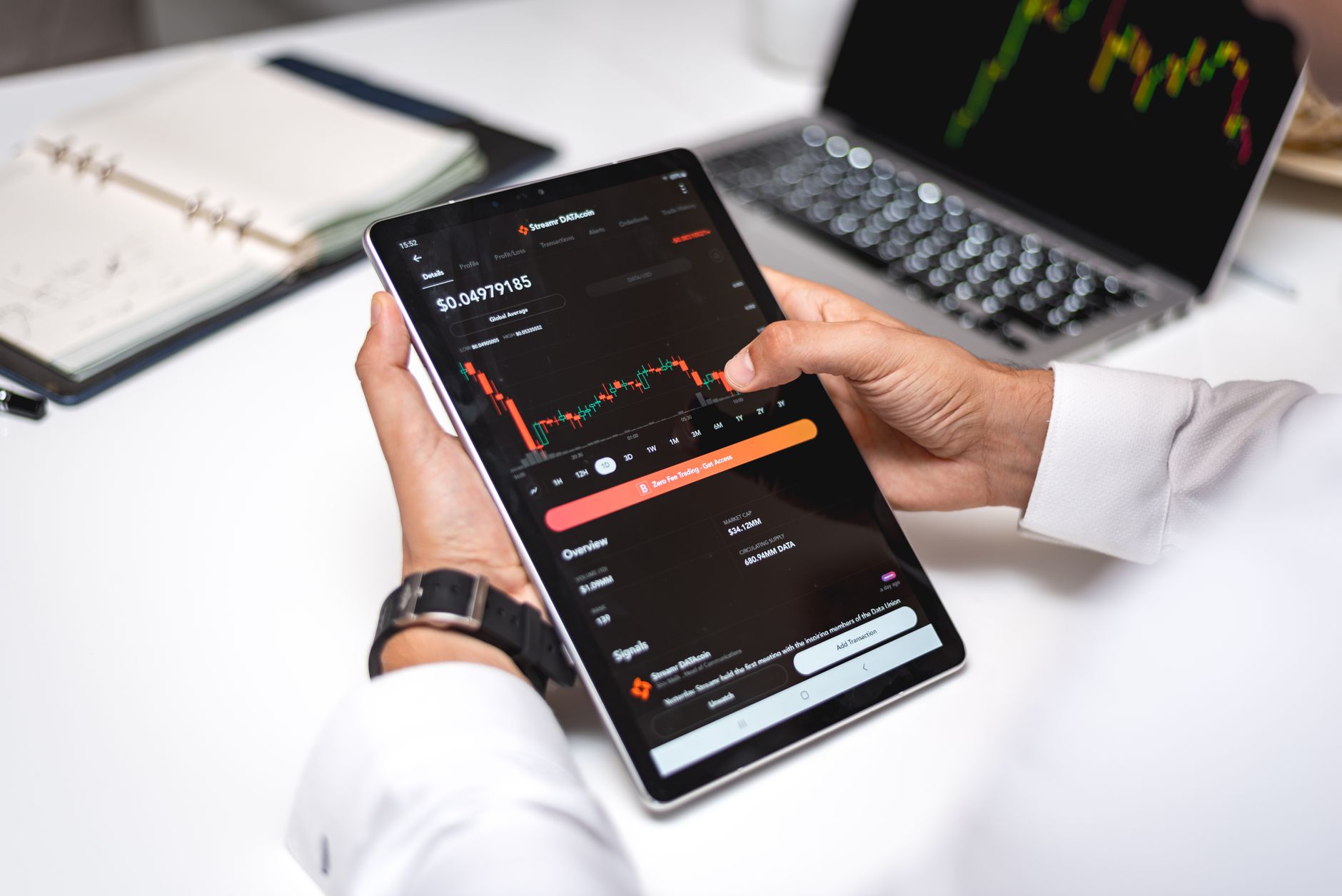
- Verify the token contract and liquidity lock
Many fake AI tokens are created in minutes. The contract may not be verified. The team may hold most of the supply. The liquidity pool can be drained at any moment. Start with a block explorer. For Ethereum tokens, visit Etherscan. For BNB Chain tokens, use BscScan. Paste the contract address and look at the top holder distribution. If one wallet holds more than 30 or 40 percent, that is a serious warning sign. The owner could sell into any small price increase and crash the token. Some projects hide the contract address entirely. Do not invest in a token you cannot inspect on a public block explorer.
Check whether liquidity is locked. A legitimate project may lock liquidity with a third party or show a time lock on the website. If the developers control the liquidity, they can remove all the funds. This is called pulling the rug. Also look at the audit. Some projects pay for shallow audits from unknown firms. An audit badge is not proof of safety. Read how to identify AI phishing emails because scammers often send fake audit reports and fake security certificates by email. Verify the audit on the auditor’s official website.
Ask for the contract address in a public community. If moderators delete your question or ban you, that is a classic exit scam signal. A real project wants transparency. A fake project wants silence. You can also search the token name on social platforms and add the word ‘scam’. Look for multiple independent reports, not just one angry person. If the project has been rebranded or the website domain is only a few weeks old, treat that as another red flag. Next, inspect the trading bot itself.
- Inspect the trading bot dashboard for fake trades
Scam trading bots show fake balances and fake trade history. The dashboard may look professional. The numbers are often stored on a private server. You can test this by asking for basic transparency. Does the bot show exchange API keys? Does it list real trade IDs from a public exchange? If not, the data may be invented. Some scammers create a demo that only runs on their own website. They can change the balance with a few clicks. A screenshot of a profit is not proof of anything.
Ask the promoter to connect the bot to a demo account on a real exchange. Legitimate trading tools let you paper trade without depositing money. If the only option is to deposit crypto into their wallet, walk away. Scammers also use fake video testimonials. Read how deepfake video scams work to see how a person can be made to say anything on camera. Do not trust a video alone.
Check the website domain age and registration. Use a WHOIS lookup. Many AI bot scams register domains weeks before launch. Real companies tend to have older domains. Look for missing contact details, broken social links, and poor grammar. If the only support is a Telegram group with anonymous admins, that is another warning. You can also search the website name with ‘whois’ to see if the owner uses privacy protection. Privacy protection alone is common, but combined with other red flags it matters.
- Check the team and social proof with reverse image search
Scammers use stolen photos and fake identities. A fake AI project may list a CEO with an impressive LinkedIn profile. The person might not know the project exists. Use reverse image search on profile photos. On Google Images or TinEye, upload the photo. If the same image appears on stock photo sites or under a different name, it is fake. Do this for the lead developer and any advisor. Many fake teams use AI-generated headshots. The faces may look slightly off. Look at the ears, teeth, and background details.
Search the team names along with ‘scam’ or ‘warning’. Many scammers reuse names and photos across projects. If the project claims a partnership with a major company, verify on that company’s official website. Do not click links sent by the promoter. Read how to spot AI voice cloning scams to understand how scammers fake audio endorsements. A voice note from a ‘CEO’ is easy to create with free tools.
Examine community engagement. Does the project have thousands of followers but very few comments? Are comments flooded with short, generic praise? Many of those comments may be bots. Look for real questions and specific answers. If admins ban or mute anyone asking about withdrawals, that is a sign the project is about to exit. Real projects can handle hard questions. Fake projects run from them.
- Watch for pump-and-dump mechanics in small coins
Even a token with a real contract can be a pump and dump. The pattern is predictable. Promoters recruit people in paid groups. Influencers hype the coin. The price rises quickly. Then early holders sell into the buying pressure. The chart shows a sharp spike and a long collapse. If you see that pattern, you are looking at a pump. You do not need to be an expert chart reader. Look for a coin that was flat, then suddenly jumped hundreds of percent in hours with no product news.
Track the token on DEXTools or Birdeye. Look at the buy and sell orders. If a few wallets are selling while the community is buying, the dump may already be underway. Check whether the project has any actual product. Many AI coins have no working demo, no code repository, and no clear use case beyond price speculation. The website may say ‘AI-powered liquidity protocol’ but mean nothing. Try to explain what the token does in one sentence. If you cannot explain it, that is a problem.
Scammers also change the token name to chase trends. A token called ‘AI Doge’ one week may become ‘AI Finance’ the next. They rebrand to avoid bad reviews. If the project’s social media history is deleted or full of renamed tokens, treat that as a warning. Use how to verify AI vs human to test project communication. A real team will answer direct questions. A fake one will copy and paste the same hype messages. Next, test withdrawals before you add more money.
- Test with a tiny withdrawal before adding more
Never deposit more than you can afford to lose. That rule matters even more with new AI crypto tokens. Start with a small amount if you decide to test. Try to withdraw the full amount after a day. A legitimate exchange or bot should let you withdraw without fees that require extra deposits. Some bots charge network fees, but they should be known in advance. If the withdrawal button returns an error or asks for a new tax, that is a huge warning.
Scammers often allow small withdrawals at first to build trust. They may even pay out fake profits. Then when you deposit a larger amount, the withdrawal stops working. Or they tell you that you must pay a gas fee, a tax, or a verification fee before you can withdraw. This is the exit. Never pay more money to release your funds. That is a common scam pattern the FTC describes.
If you cannot withdraw, record everything. Save screenshots of the website, chat messages, blockchain transaction IDs, and wallet addresses. If you shared personal documents, place a fraud alert and consider a credit freeze. The steps are simple and free. You do not need to hire a recovery company. Many so-called recovery services are scams too. Next, report the fraud to the right agencies.
- Report the scam and protect your identity
Many victims stay silent out of embarrassment. Reporting is the only way to help law enforcement connect cases. File a report with the FBI Internet Crime Complaint Center at FBI IC3. Include the token name, website, wallet addresses, and transaction hashes. The more detail you provide, the more useful your report becomes. Every report adds a data point. That helps agencies spot larger networks.
Also report to the FTC. The FTC collects consumer complaints and shares them with law enforcement. You can file with the BBB Scam Tracker too. Include receipts, screenshots, and chat logs. This helps warn others. Do not wait until you have a perfect file. Report as soon as you suspect fraud. You can add details later.
If you shared your driver’s license, passport, or bank details, take identity protection steps. Change passwords. Enable two-factor authentication. Contact your bank and freeze your credit if needed. Use the guide at how to report an AI scam step by step. Also check for any new accounts opened in your name. Quick action limits the damage.
Red Flags & Warnings
- 🚨 Never share your crypto wallet seed phrase or private key. No legitimate AI bot needs them to work.
- 🚨 Beware of withdrawal fees that require you to deposit more money. That is always an exit scam.
- 🚨 Do not trust AI bot screenshots or profit calculators. They are easy to fake with a private server.
- 🚨 Celebrity endorsements can be deepfaked. Verify the video on the celebrity’s official channel before you believe it.
- 🚨 Avoid anonymous teams and tokens with no public code audit. Anonymous founders can disappear with your money.
- 🚨 If a token’s price is rising only because of influencer hype, expect a dump. Hype is not a product.
Frequently Asked Questions
How do I know if an AI crypto token is a scam?
Check the contract holder distribution, liquidity lock, team identities, and whether the project has a real product. Guaranteed returns, hidden withdrawal fees, and anonymous founders are major red flags.
Are all AI trading bots fake?
No. Some legitimate tools use AI for analysis, but they do not guarantee profits. Always ask for a demo account on a real exchange and never deposit crypto directly into a bot’s private wallet.
What is a pump-and-dump crypto scam?
It is a coordinated effort to inflate a token’s price, then sell large holdings, leaving later buyers with worthless coins. Many fake AI tokens follow this exact pattern.
Can I recover my money after an AI crypto scam?
Recovery is rare. Report to the FBI IC3 and FTC. Some exchanges may freeze fraud wallets if you act fast. Avoid recovery scammers who promise to get your money back for a fee.
What should I do if I shared my ID with a fake AI trading platform?
Place a fraud alert, consider a credit freeze, change passwords, and monitor your bank accounts. Use identitytheft.gov for a recovery plan.
How do I report an AI crypto scam?
File a report at ic3.gov and ftc.gov. Include token names, wallet addresses, transaction hashes, and chat logs. Also report to the BBB Scam Tracker.
What Should You Remember?
- Verify the team: Search names, photos, and claims before you invest.
- Check the contract: Look at top holder distribution and liquidity lock.
- Test withdrawals early: Make a small deposit and try to withdraw it quickly.
- Ignore guaranteed returns: No AI bot can promise risk-free profit.
- Report quickly: File with FBI IC3 and FTC with all transaction details.
- Protect your identity: Freeze credit if you shared personal documents.
- Beware fake social proof: Deepfake videos and paid shills inflate trust.
This article is for general educational information only and is not legal, financial, or professional security advice. Scam tactics evolve quickly, so verify current guidance with official sources like the FTC, FBI IC3, or CISA before acting. Some links may be affiliate links that support this site at no cost to you.